
Image source: Hanauer DA, Raab GC, Hanauer SN et al., JAMA Network Open 2026 (CC BY 4.0)
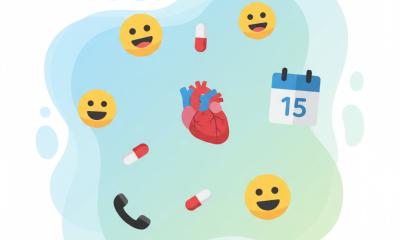
The most common kind of emojis used were smileys/emoticons (58.5%), followed by objects (21.2%) and people and body (17.6%). The most used emoji was the smiling face with smiling eyes (1,772 instances), followed by the telephone receiver (544) and the calendar (429). The hospital building emoji ranked 30th with just 30 instances.
The majority of the notes containing emojis were sent from a clinical team to a patient or family. (As the University of Michigan patient portal doesn’t allow patients to add their own emojis to messages, most of the patient-originating emojis were copied into notes from emails or text messages.) Only 1% of emojis were used to replace a word — e.g. using the pill emoji in lieu of the word medicine.The majority were used for emphasis or for their own sake.
Still, researchers believe the use of emojis in electronic health records creates the potential for miscommunication, especially among older patients. Records for patients aged 70-79 years old had the second-most emojis, after 10–19-year-olds. “Given the small but growing presence of emojis in clinical documentation, we recommend that healthcare institutions proactively develop guidelines for their use to maintain clarity and professionalism in clinical communications,”
Hanauer said.
“One of the first steps to understanding the impact of emojis is simply being able to measure their use, which is still a challenging task. Future work should investigate how emojis might affect patient understanding, trust and outcomes — and explore whether these playful digital symbols offer new opportunities or pose unintended challenges in electronic health record communication.”
Source: Michigan Medicine – University of Michigan