
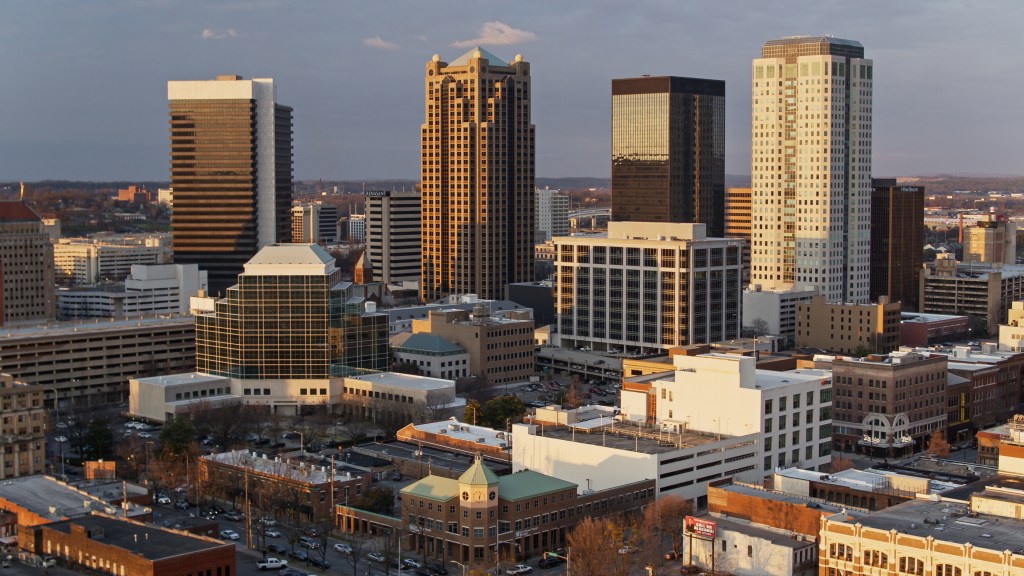
TheBirmingham Museum of Artis asking the public for help locating artworks byCorietta Mitchell, the first Black artist to have a solo exhibition at the museum during the city’s segregation era, according to local news outletWVTM. The institution marks its 75th anniversary this year with a renewed effort to recover what it calls a missing piece of its history.
Founded in 1951 amid Jim Crow laws that restricted Black visitors to the museum to one designated day per week, the museum now openly acknowledges its segregated past as part of a broader institutional reckoning. In March 1963, four months before Birmingham’s segregation ordinances were repealed, museum leadership quietly staged the exhibition for Mitchell, a prominent figure in Birmingham’s Black arts community.
Despite newspaper coverage at the time, the museum says none of the works from that exhibition has been located. Only an exhibition checklist and a grainy photo remain. Museum officials are asking anyone with information about Mitchell or her art to come forward.
“We’re looking back at the past and acknowledging our history — the good, the bad, and the ugly,” museum directorGraham Boettchersaid in a statement.
The museum’s appeal comes as the U.S. art world isincreasingly reframingthe legacy of Black artists whose work was overlooked or marginalized by major institutions for decades. Major museums have recently mounted exhibitions aimed at correcting historical omissions and expanding narratives around African American art. For example, museums such as the Metropolitan Museum of Art have presentedlarge-scale exhibitionstracing the impact of theHarlem Renaissanceand elevating lesser-known Black artists, whileother institutionsorganizedsurveys and retrospectivesthat place historically under-recognized creators in fuller context.
Separately, specialized institutions like theStudio Museum in Harlem, established in 1968 as a dedicated center for art by African American and diasporic artists, continue to spotlight Black creativity and influence within broader art history. The Studio Museum, whichrecently reopenedits new building, has long focused on exhibition, residency, and public programming to connect historical and contemporary voices.
Locally, the search for Mitchell’s artworks also underscores how museums are confronting their own institutional histories. Recovering or documenting the work of artists like Mitchell not only fills gaps in museum collections but also contributes to a more complete understanding of cultural heritage at a moment when many museums are reevaluating how and whose stories are told on their walls.