Author: dweetleapp
-
Ozlo Sleepbuds Review: Can Earbuds Really Improve Your Sleep?
Who among us hasn’t used earbuds to help them quiet an overly active brain (or a snoring partner) when going to bed at night? Personally, bedtime is when I’m most likely to be using earbuds in the course of my day. Prior to this review, I used my first-gen AirPods Pro for listening to podcasts read more
Written by
-
Gen Zs Are Sleepmaxxing To Fix Burnout; Here’s What The New TikTok Wellness Trend Means
Arguably, a few pleasures in life may be more satisfying than a restful sleep. Everyone needs one, no matter who. However, ever since the industrial revolution in the 18th century and the rapid evolution of technology, a goodnight’s sleep has become a rare commodity. More so for the generation born after the advent of smartphones. read more
Written by

-
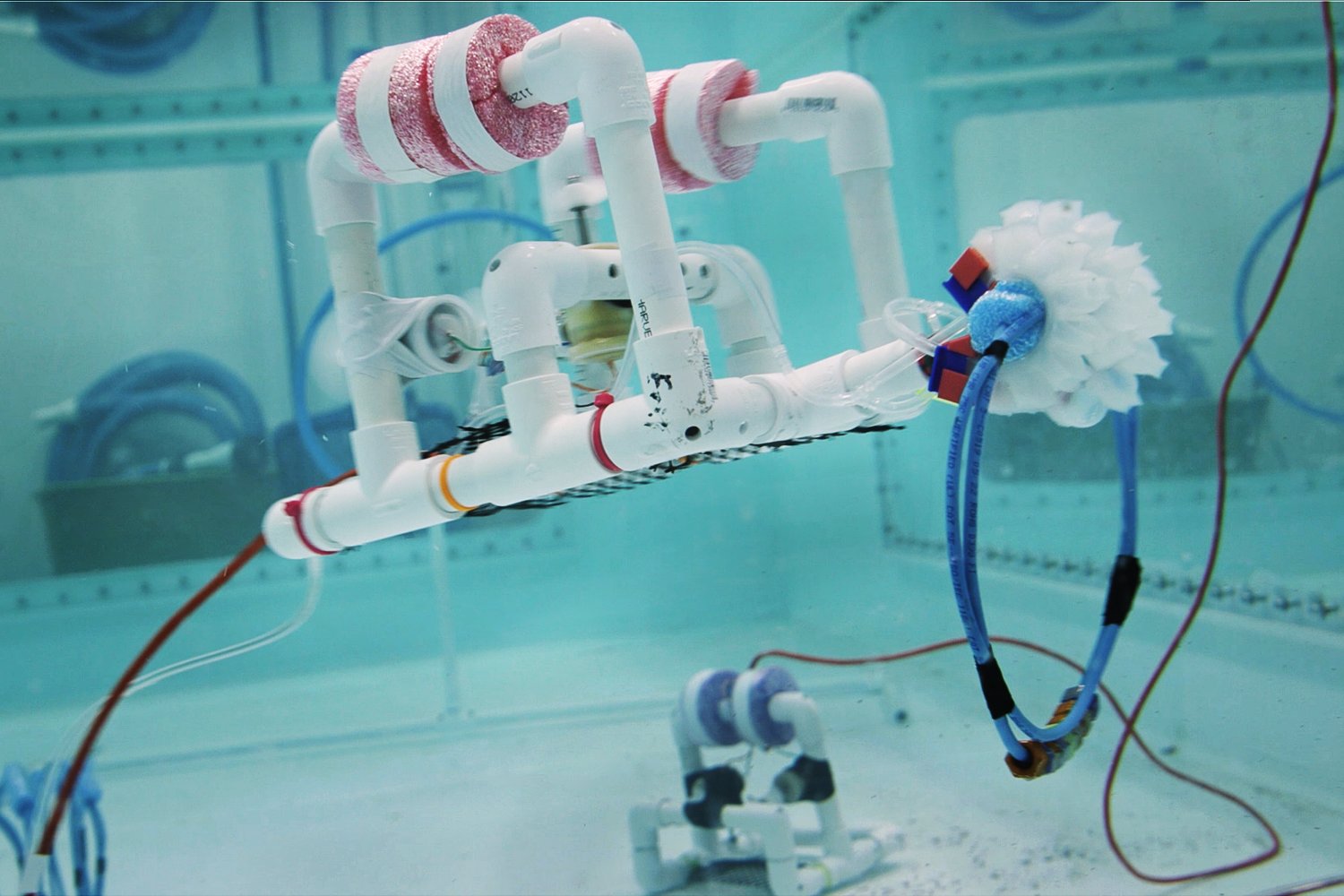
SeaPerch: A robot with a mission
The SeaPerch underwater robot is a popular educational tool for students in grades 5 to 12. Building and piloting SeaPerch, a remotely operated vehicle (ROV), involves a variety of hand fabrication processes, electronics techniques, and STEM concepts. Through the SeaPerch program, educators and students explore structures, electronics, and underwater dynamics. “SeaPerch has had a tremendous read more
Written by
-
Artificial muscle flexes in multiple directions, offering a path to soft, wiggly robots
We move thanks to coordination among many skeletal muscle fibers, all twitching and pulling in sync. While some muscles align in one direction, others form intricate patterns, helping parts of the body move in multiple ways. In recent years, scientists and engineers have looked to muscles as potential actuators for “biohybrid” robots — machines powered read more
Written by

-
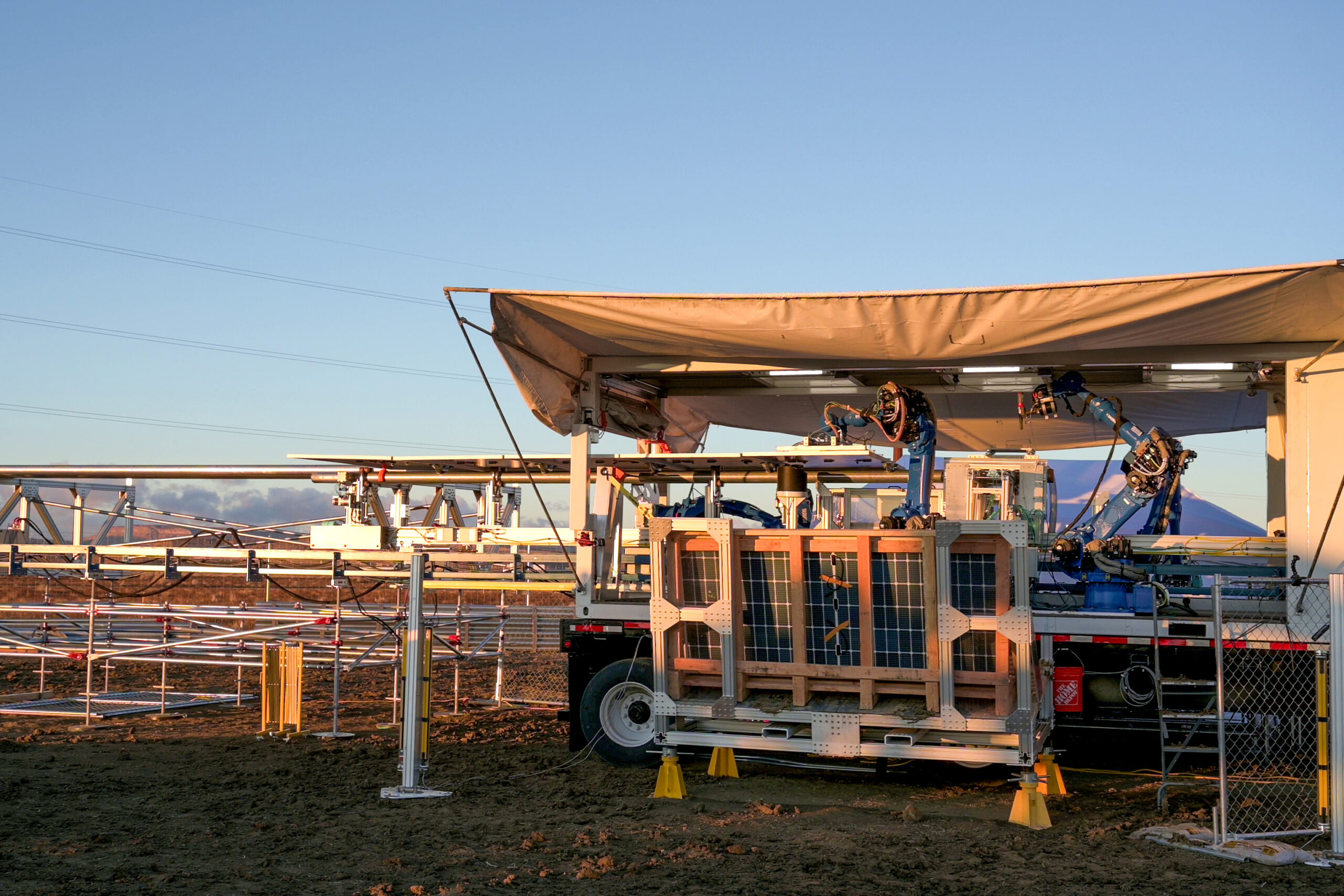
Making solar projects cheaper and faster with portable factories
As the price of solar panels has plummeted in recent decades, installation costs have taken up a greater share of the technology’s overall price tag. The long installation process for solar farms is also emerging as a key bottleneck in the deployment of solar energy. Now the startup Charge Robotics is developing solar installation factories read more
Written by
-
‘Bedtime Is The Most Important Time’ Anti-Aging Millionaire Bryan Johnson Warns Of Sleep Deprivation; Elon Musk Agrees
“Sleep deprivation is literally brain damage.” Millionaire anti-aging entrepreneur Bryan Johnson warned social media users with his latest post. He stated that per research among young participants, One night of bad sleep increased levels of protein called S100B by 20%. The same level as caused by a traumatic brain injury.” How does the stressor protein read more
Written by

-
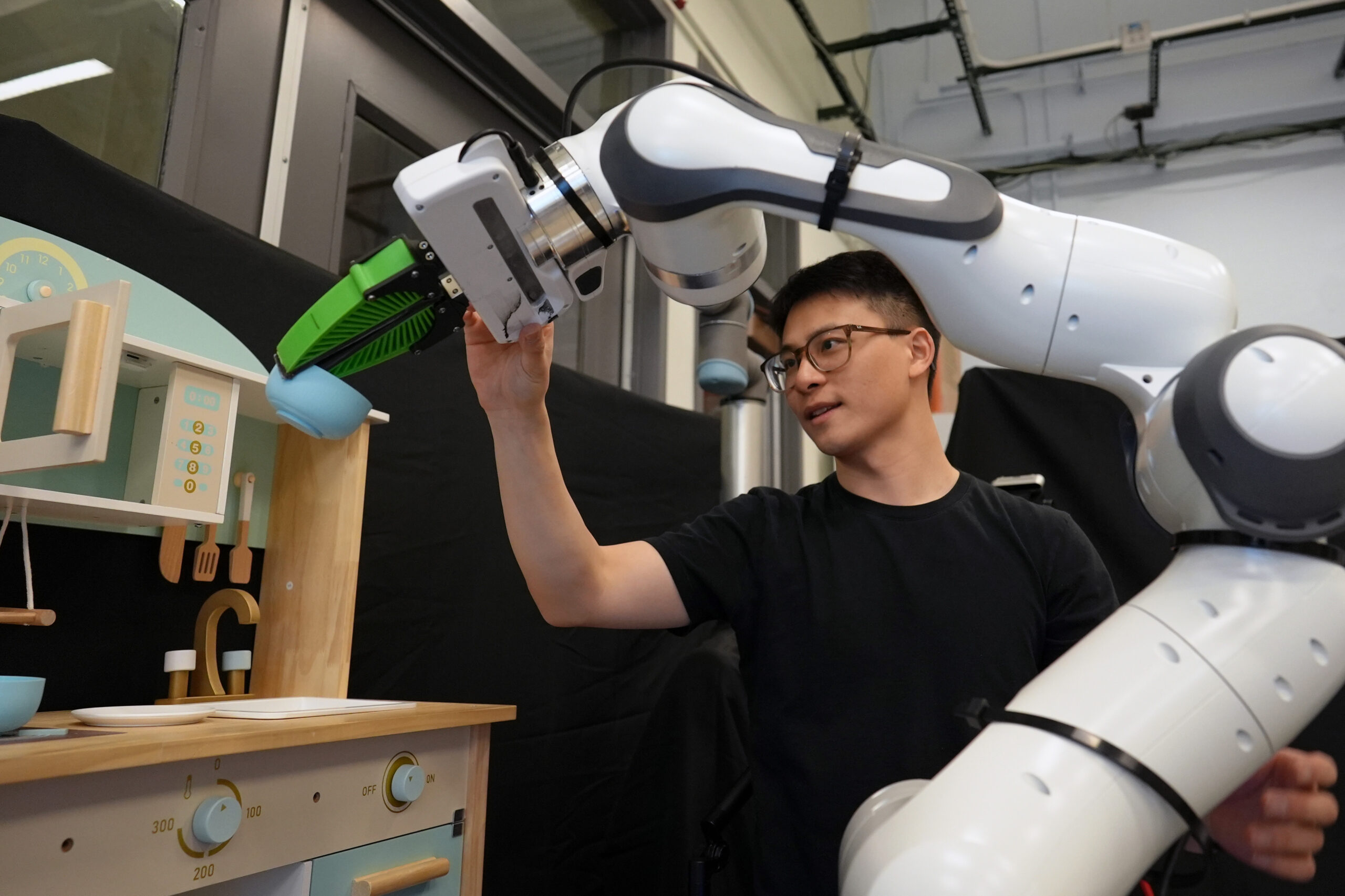
Robotic helper making mistakes? Just nudge it in the right direction
Imagine that a robot is helping you clean the dishes. You ask it to grab a soapy bowl out of the sink, but its gripper slightly misses the mark. Using a new framework developed by MIT and NVIDIA researchers, you could correct that robot’s behavior with simple interactions. The method would allow you to point read more
Written by
-
MIT engineers prepare to send three payloads to the moon
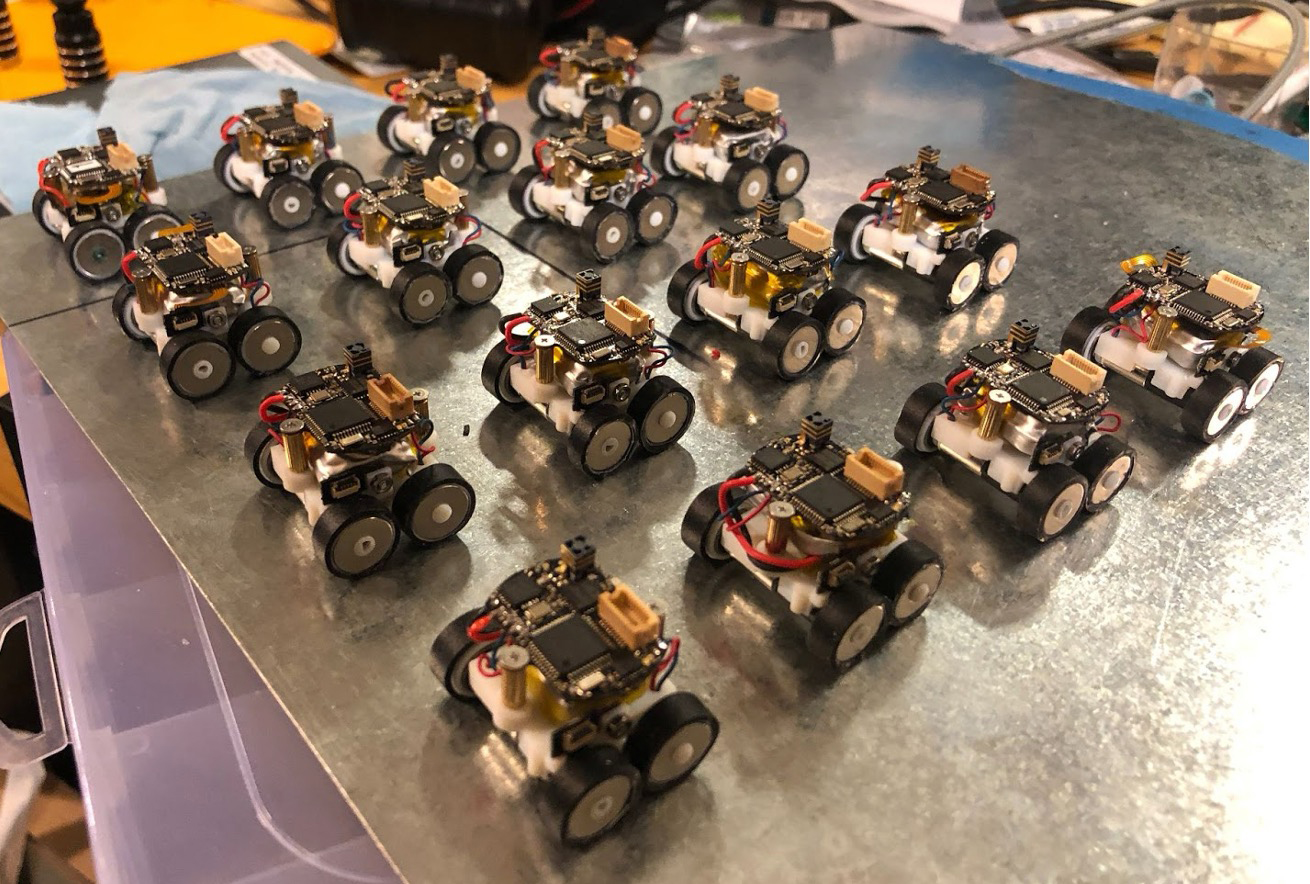
Three MIT payloads will soon hitch a ride to the moon in a step toward establishing a permanent base on the lunar surface. In the coming days, weather permitting, MIT engineers and scientists will send three payloads into space, on a course set for the moon’s south polar region. Scientists believe this area, with its read more
Written by
-
Engineers enable a drone to determine its position in the dark and indoors
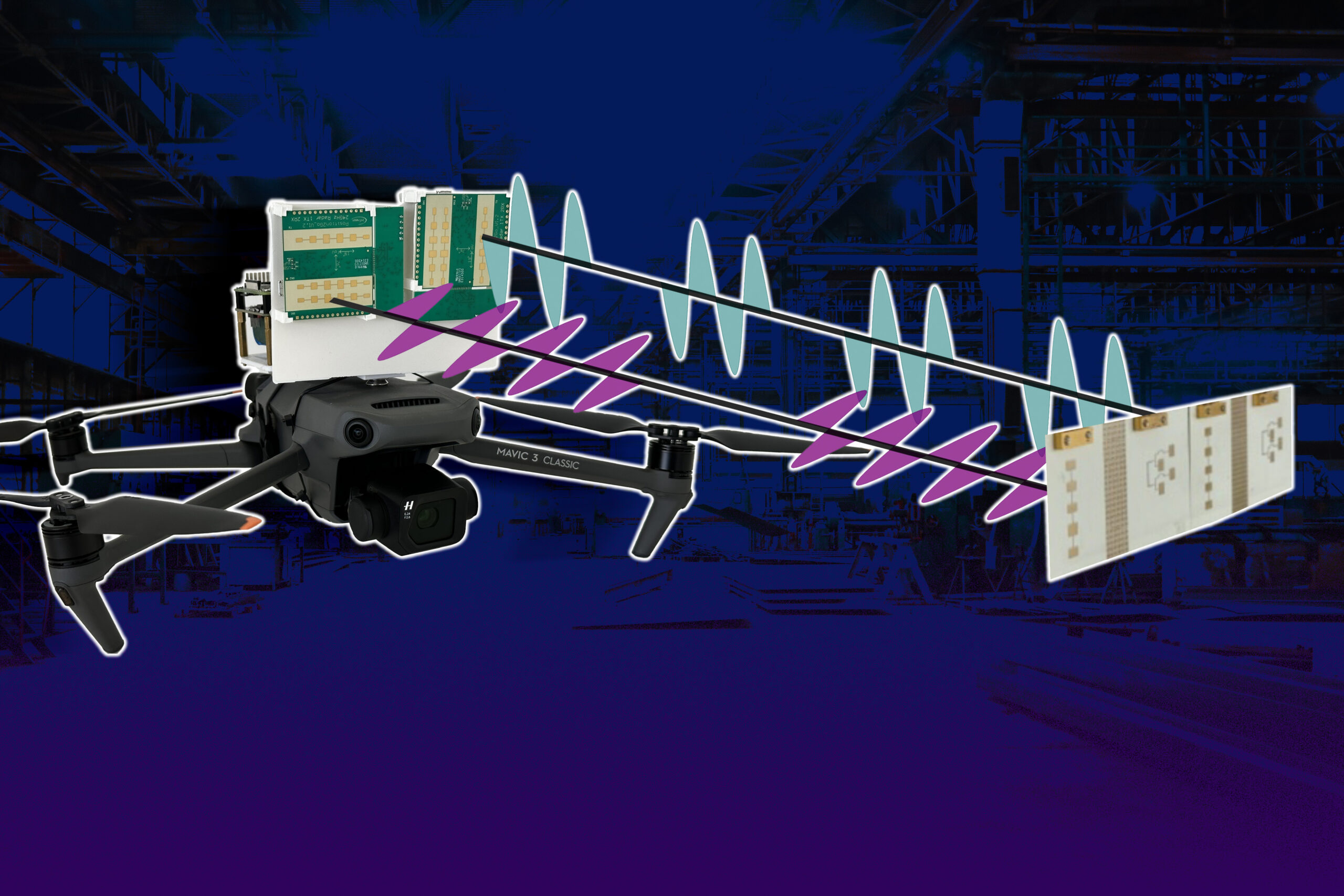
In the future, autonomous drones could be used to shuttle inventory between large warehouses. A drone might fly into a semi-dark structure the size of several football fields, zipping along hundreds of identical aisles before docking at the precise spot where its shipment is needed. Most of today’s drones would likely struggle to complete this read more
Written by
-
Engineering joy
When the late professor emeritus Woodie Flowers SM ’68, MEng ’71, PhD ’73 was a student at MIT, most of his classes involved paper-and-pencil exercises with predetermined solutions. Flowers had an affinity for making things, and for making them work. When he transitioned from student to teacher, he chose to carry this approach into his read more
Written by

-
Eleven MIT faculty receive Presidential Early Career Awards
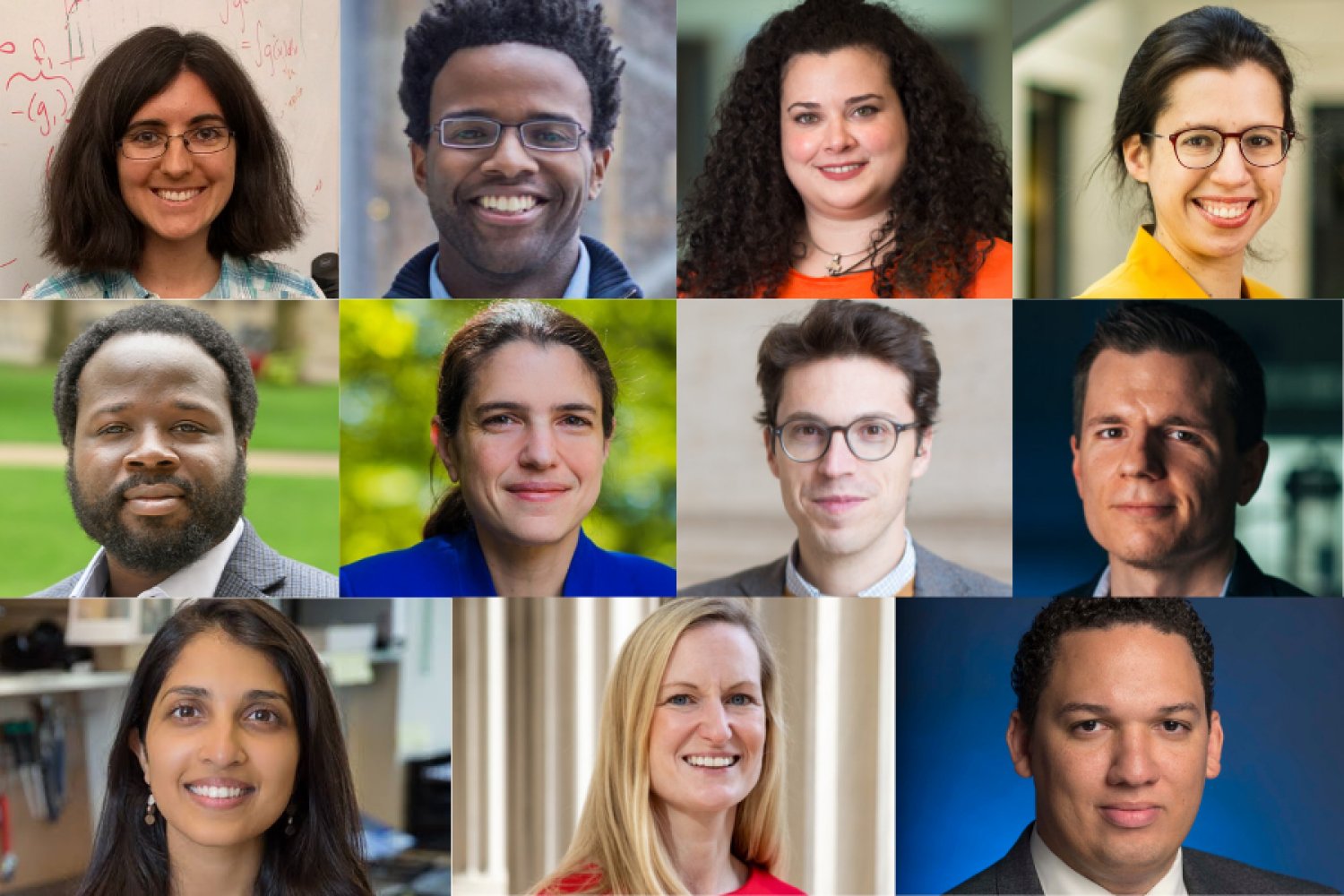
Eleven MIT faculty, including nine from the School of Engineering and two from the School of Science, were awarded the Presidential Early Career Award for Scientists and Engineers (PECASE). Fifteen additional MIT alumni were also honored. Established in 1996 by President Bill Clinton, the PECASE is awarded to scientists and engineers “who show exceptional potential read more
Written by
-
MIT engineers help multirobot systems stay in the safety zone
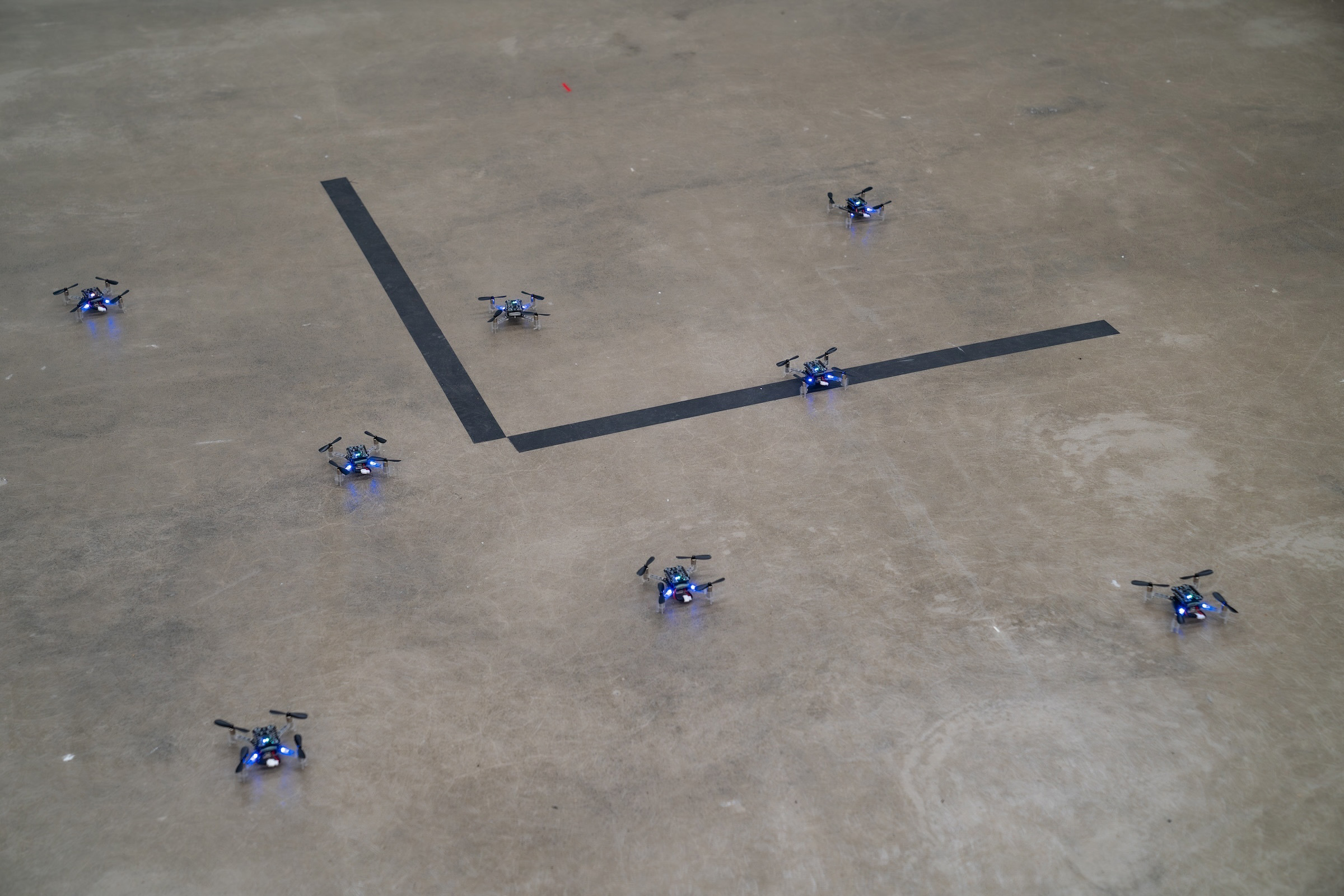
Drone shows are an increasingly popular form of large-scale light display. These shows incorporate hundreds to thousands of airborne bots, each programmed to fly in paths that together form intricate shapes and patterns across the sky. When they go as planned, drone shows can be spectacular. But when one or more drones malfunction, as has read more
Written by
-
New training approach could help AI agents perform better in uncertain conditions
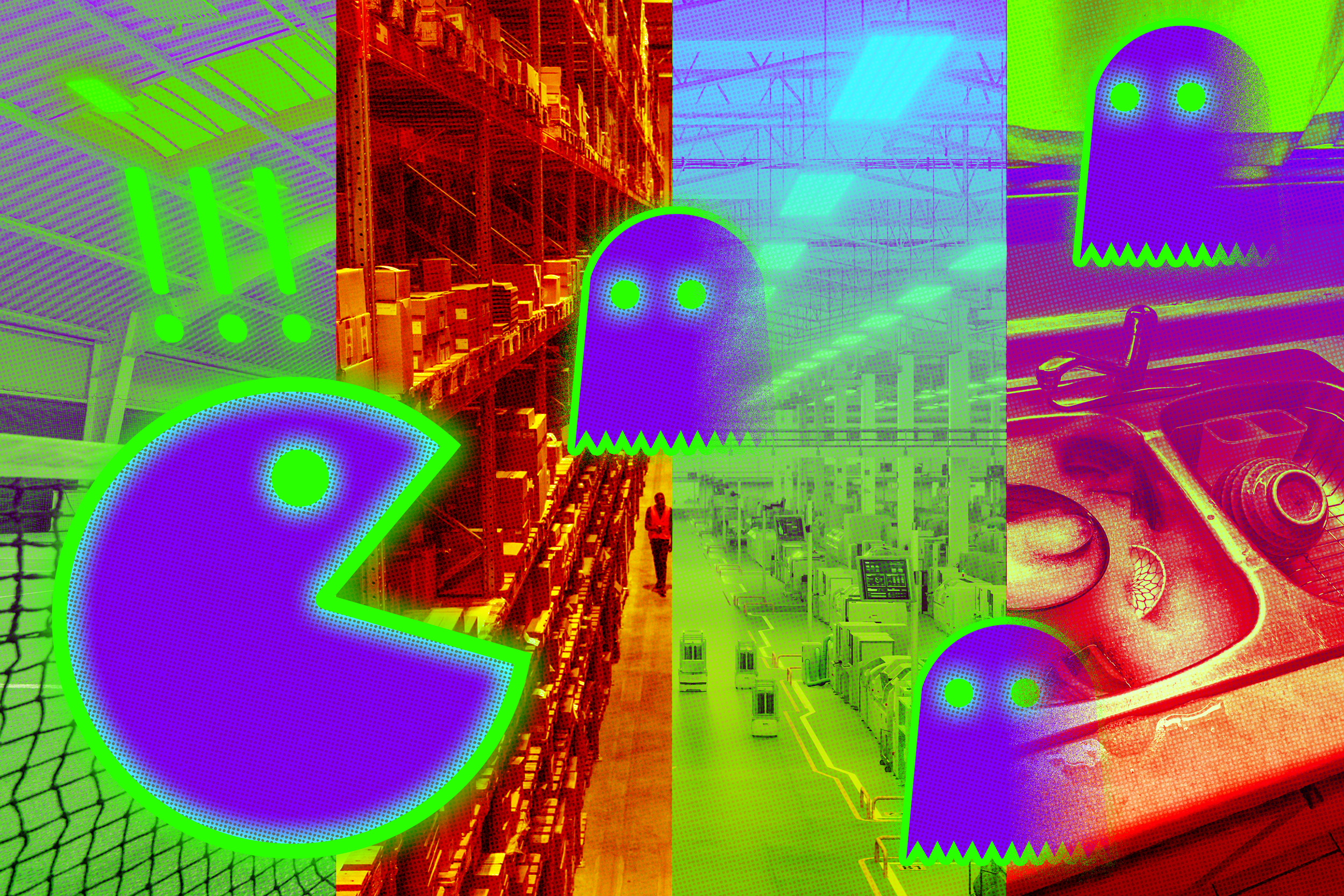
A home robot trained to perform household tasks in a factory may fail to effectively scrub the sink or take out the trash when deployed in a user’s kitchen, since this new environment differs from its training space. To avoid this, engineers often try to match the simulated training environment as closely as possible with read more
Written by
-
Expanding robot perception
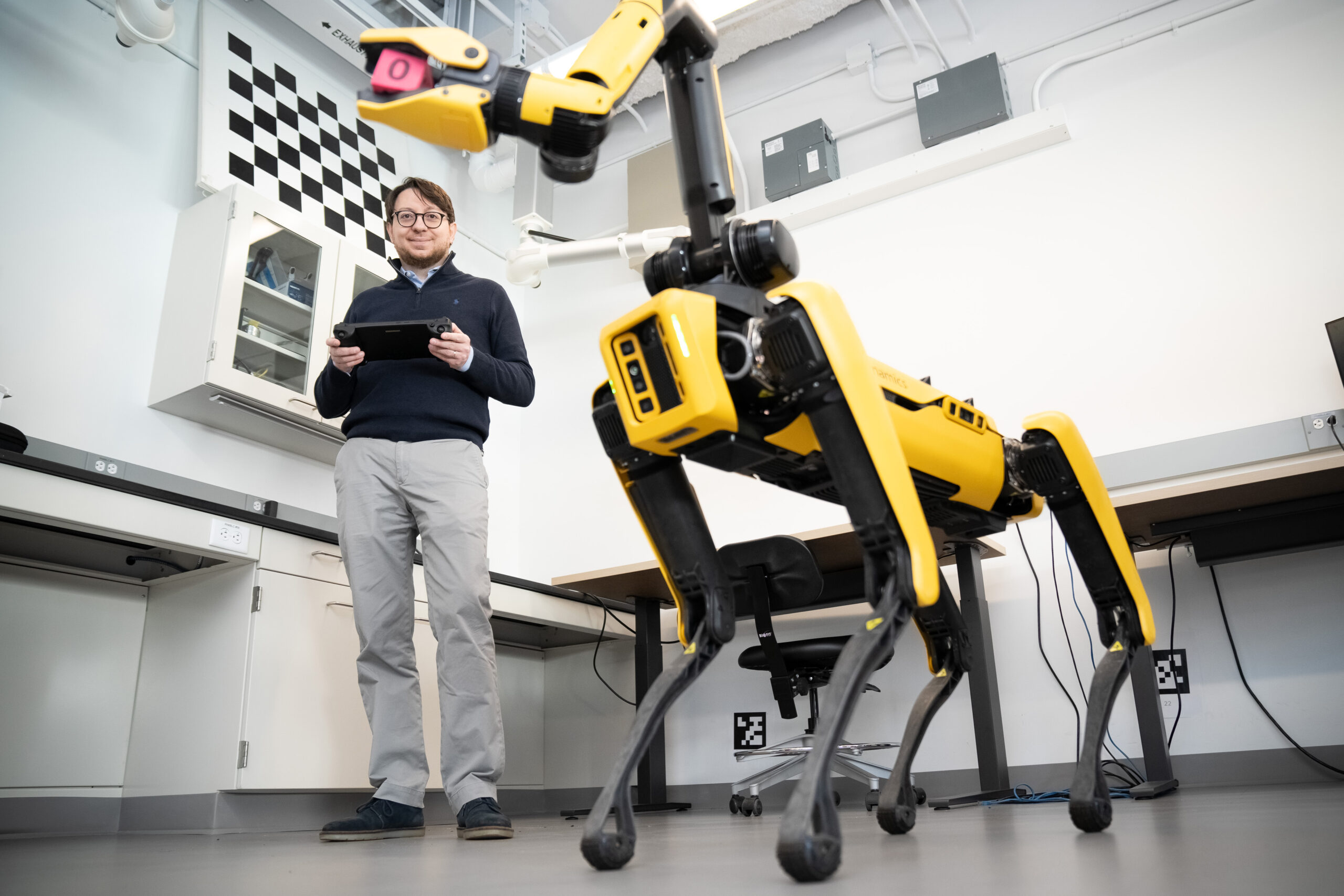
Robots have come a long way since the Roomba. Today, drones are starting to deliver door to door, self-driving cars are navigating some roads, robo-dogs are aiding first responders, and still more bots are doing backflips and helping out on the factory floor. Still, Luca Carlone thinks the best is yet to come. Carlone, who read more
Written by
-
This fast and agile robotic insect could someday aid in mechanical pollination
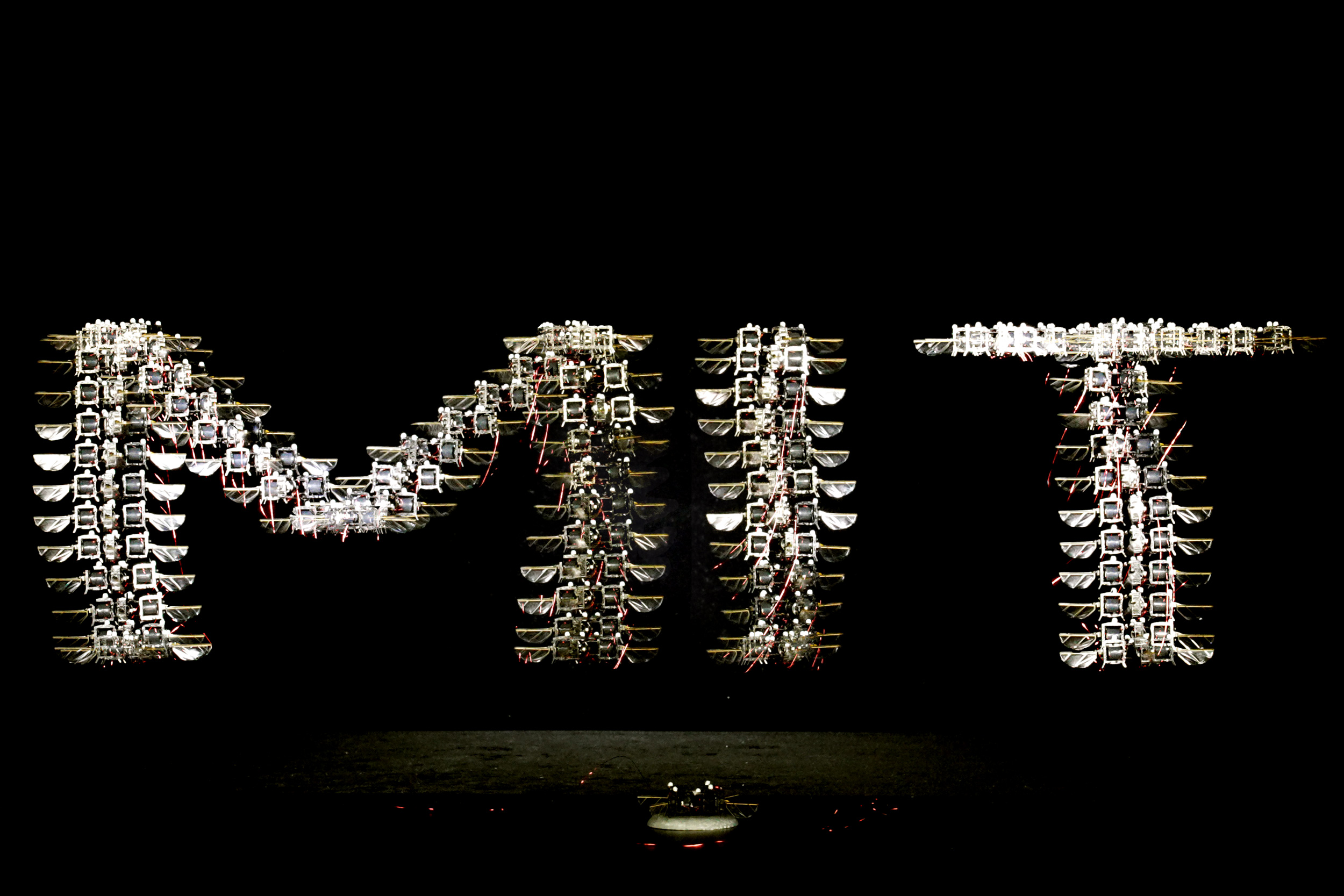
With a more efficient method for artificial pollination, farmers in the future could grow fruits and vegetables inside multilevel warehouses, boosting yields while mitigating some of agriculture’s harmful impacts on the environment. To help make this idea a reality, MIT researchers are developing robotic insects that could someday swarm out of mechanical hives to rapidly read more
Written by
-
How humans continuously adapt while walking stably
Researchers have developed a model that explains how humans adapt continuously during complex tasks, like walking, while remaining stable. The findings were detailed in a recent paper published in the journal Nature Communications authored by Nidhi Seethapathi, an assistant professor in MIT’s Department of Brain and Cognitive Sciences; Barrett C. Clark, a robotics software engineer read more
Written by

-
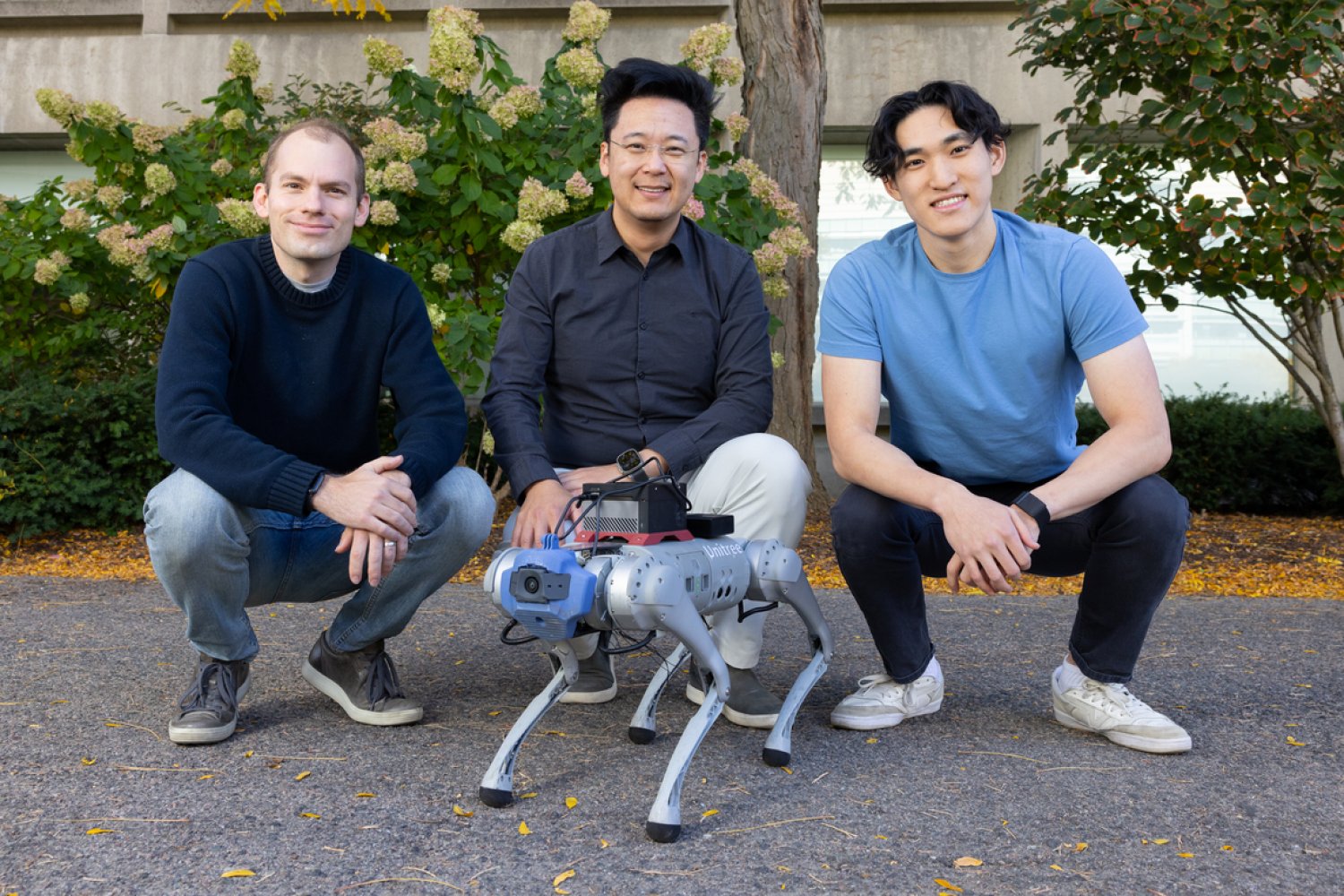
Teaching a robot its limits, to complete open-ended tasks safely
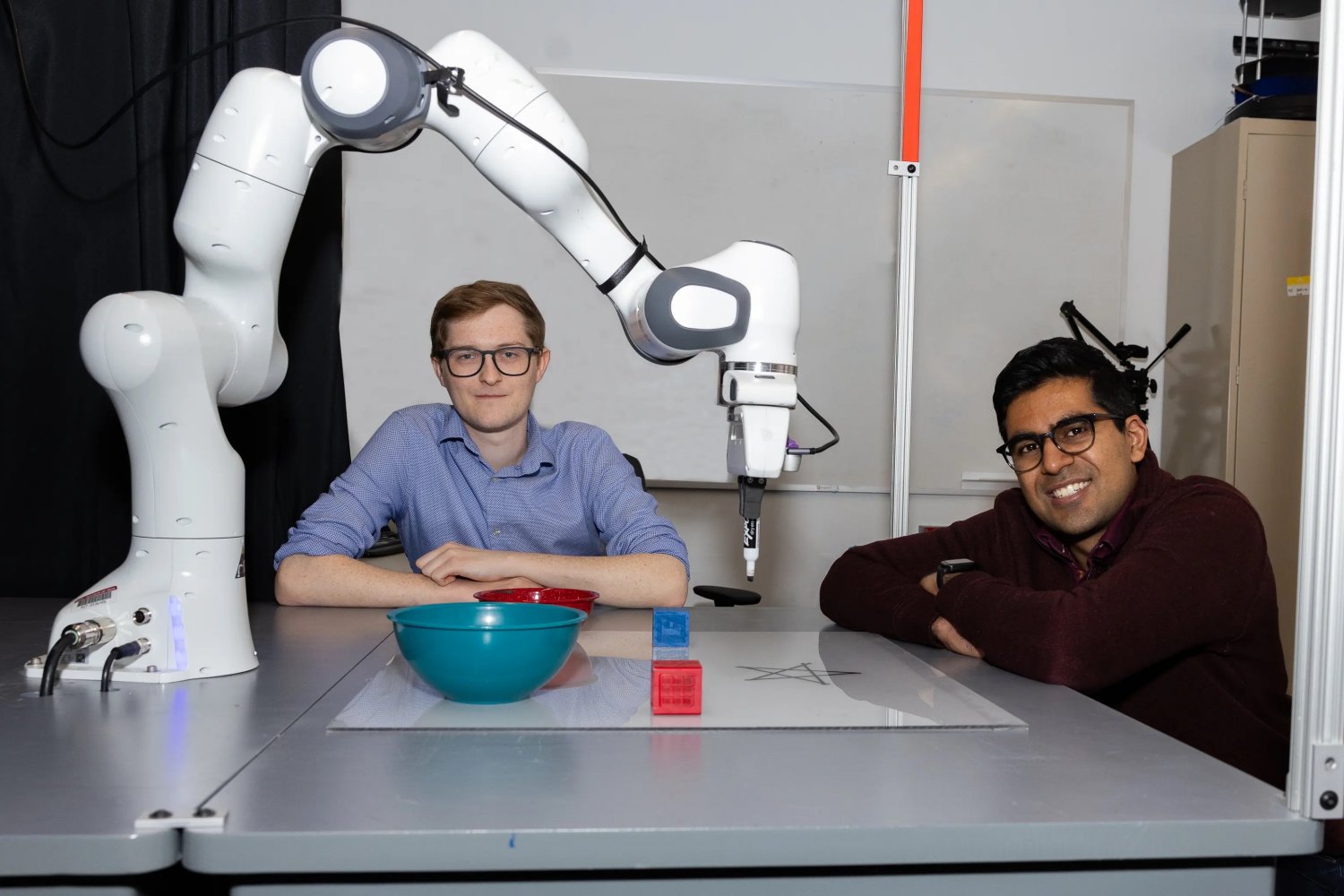
If someone advises you to “know your limits,” they’re likely suggesting you do things like exercise in moderation. To a robot, though, the motto represents learning constraints, or limitations of a specific task within the machine’s environment, to do chores safely and correctly. For instance, imagine asking a robot to clean your kitchen when it read more
Written by
-
Daniela Rus wins John Scott Award
Daniela Rus, director of MIT’s Computer Science and Artificial Intelligence Laboratory and MIT professor of electrical engineering and computer science, was recently named a co-recipient of the 2024 John Scott Award by the board of directors of City Trusts. This prestigious honor, steeped in historical significance, celebrates scientific innovation at the very location where American read more
Written by

-
Creating innovative health solutions for individuals and populations
The factors impacting successful patient care are many and varied. Early diagnosis, proper adherence to prescription medication schedules, and effective monitoring and management of chronic disease, for example, all contribute to better outcomes. However, each of these factors can be hindered by outside influences — medication doesn’t work as well if it isn’t taken as read more
Written by

-
Can robots learn from machine dreams?
For roboticists, one challenge towers above all others: generalization — the ability to create machines that can adapt to any environment or condition. Since the 1970s, the field has evolved from writing sophisticated programs to using deep learning, teaching robots to learn directly from human behavior. But a critical bottleneck remains: data quality. To improve, read more
Written by