
Oxford-based materials science startup A&B Smart Materials has closed a £1.5 million pre-seed funding round. The round was led
by existing investor Sake Bosch, with new strategic investors Caesar and Living
Hope VC, alongside participation from Archipelago Ventures, Triple Impact
Ventures, Cranfield University Seed Fund, Oxford Seed Fund, and several
business angels from Cambridge Capital Group and Oxford Innovation Finance.
The superabsorbent polymers (SAP) market is sizeable
and growing, driven mainly by demand from absorbent hygiene products such as
nappies and menstrual pads, with additional use in agriculture and smaller
applications in areas like medical products, construction, consumer goods, and
water treatment.
Most SAPs in use today are synthetic and
fossil-based, and because they are not designed to biodegrade, they can persist
in the environment and contribute to microplastic pollution, including through
high-volume single-use products such as disposable nappies.
A&B Smart Materials is developing fully
biodegradable alternatives to fossil-based superabsorbent polymers, using
polymer science and natural feedstocks to create absorbent materials intended
to match existing performance requirements and fit within established
manufacturing processes. Its approach is based on modified biopolymers derived
from widely available, lower-cost natural materials.
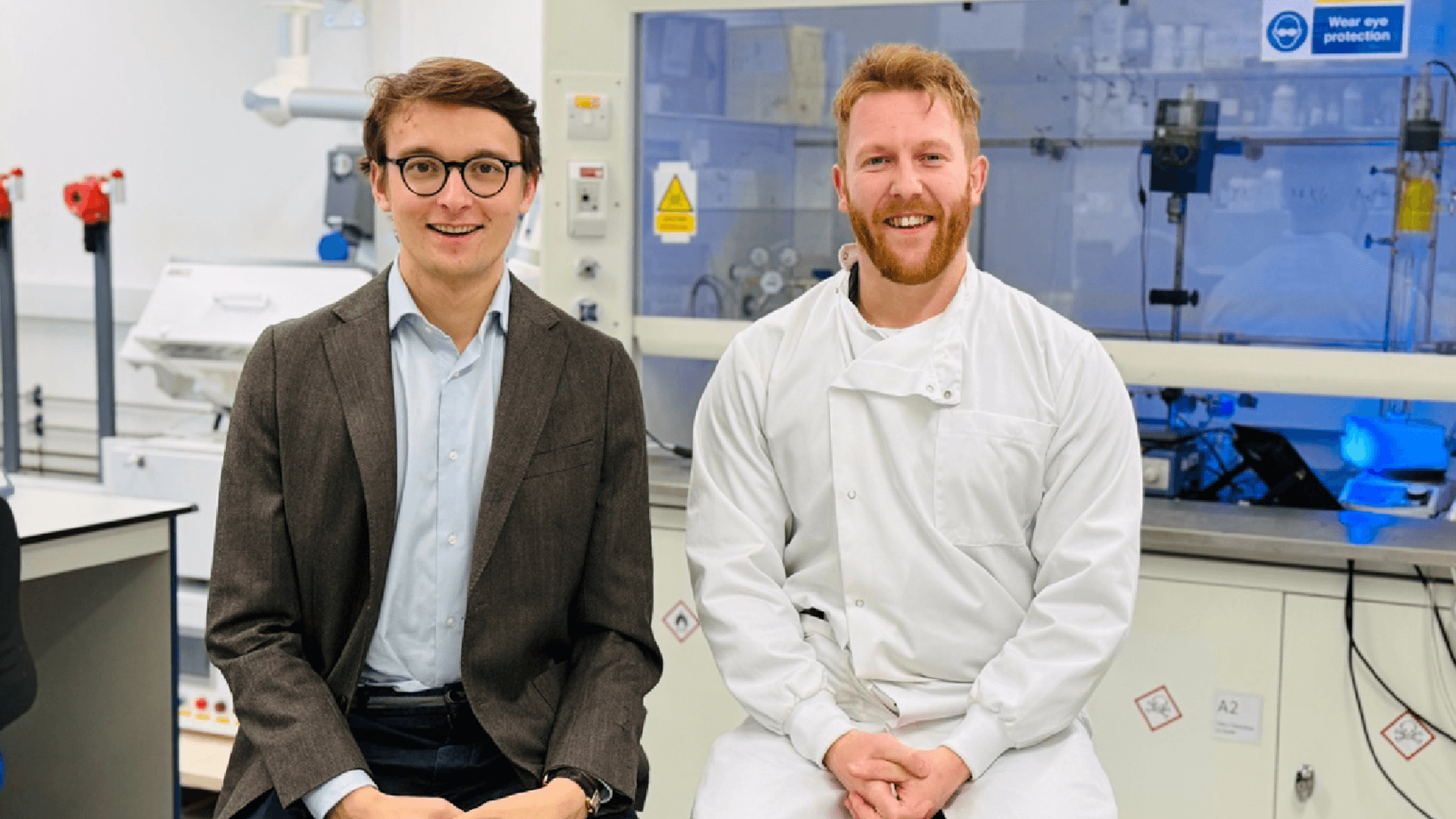
A&B Smart Materials co-founder and CTO Dr. Benjamin White said the persistence of synthetic superabsorbent polymers
contributes to long-lasting pollution, including microplastics in the
environment.
We intend to completely replace these products with
biocompatible and biodegradable materials, without compromising on product
performance or affordability.
The funding will primarily be used to accelerate
R&D to refine A&B’s sustainable superabsorbent polymer formulations and
target a combination of strong performance, competitive cost, and
industrial-scale validation for hygiene and agricultural applications.
The company’s longer-term objective is to replace
synthetic SAPs in a market projected to reach about $17 billion by 2035.