
Cytotrait, a
spinout from The University of Manchester focused on developing new traits for
food and agricultural applications, has closed a £3 million seed funding round.
The round was led by Northern Gritstone, with participation from the UK
Innovation & Science Seed Fund (UKI2S), managed by Future Planet Capital,
and the Northern Universities Ventures Fund, managed by Parkwalk in
collaboration with Northern Gritstone.
Cytotrait
develops technologies aimed at improving crop traits. Its proprietary platform,
MOSS (Mutant Organelle Selection System), enables the introduction of genes and
gene edits into plant organelles, including chloroplasts and mitochondria. The
approach allows researchers to rapidly achieve homoplasmy, meaning the desired
genetic change is present across all organelles within a cell or plant.
The
technology enables gene edits or insertions in plant organelles, supporting the
development of new crop traits while addressing technical challenges in plant
engineering. It can be applied to both endogenous gene editing and the
introduction of transgenes.
Cytotrait’s
technology has potential applications in areas such as improving crop yield,
enhancing resistance to pests and diseases, supporting hybrid crop development,
and introducing new food-related traits. It may also contribute to agricultural
approaches aimed at improving carbon capture.
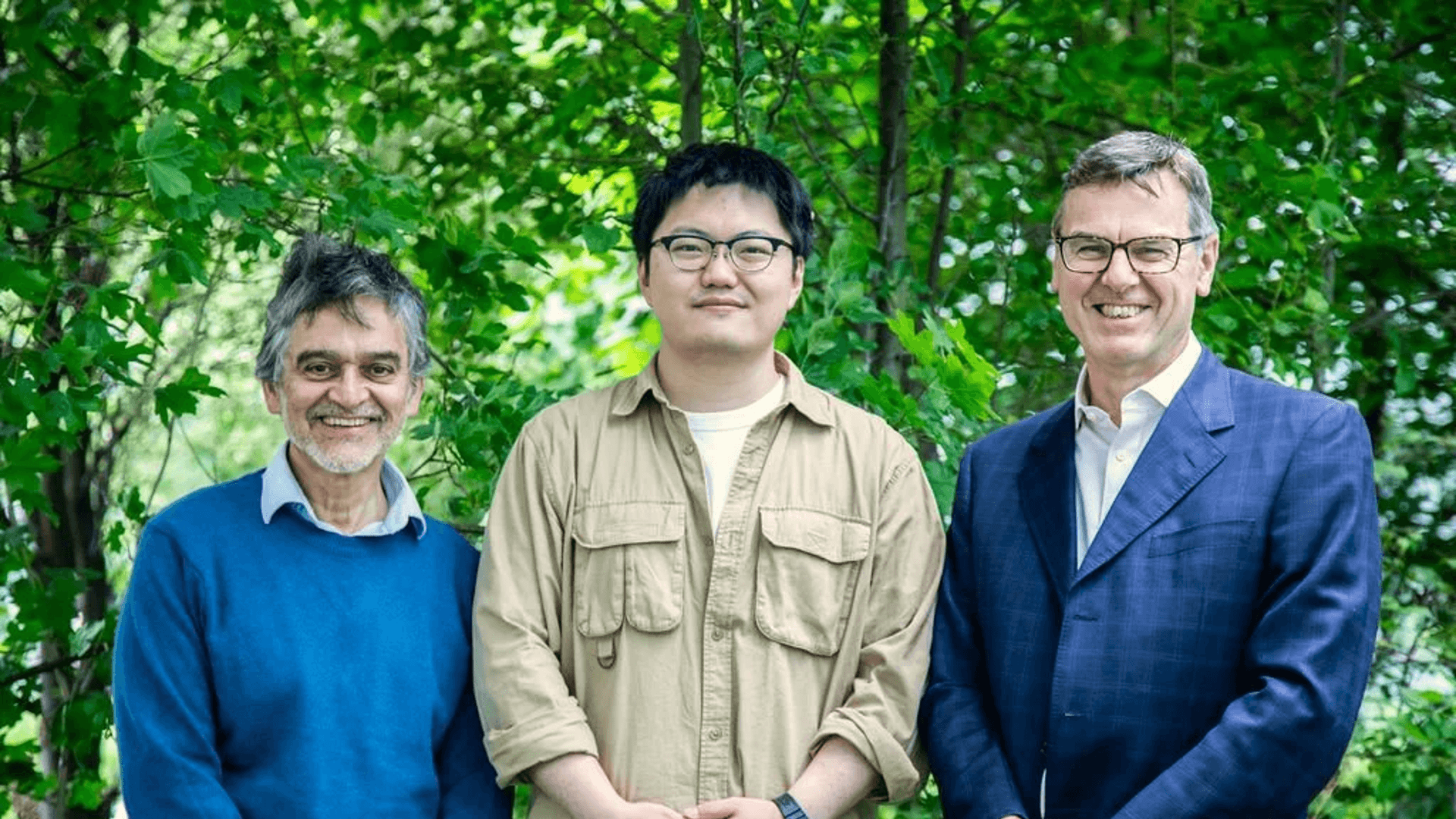
Dr Junwei Ji, co-founder and executive director of Cytotrait, said the company developed
MOSS to help address challenges related to food security and agricultural
sustainability. He noted that the technology is designed to support the
development of crops with new and enhanced traits while potentially
streamlining regulatory pathways.
The company plans to use the
new funding to expand research programmes focused on wheat, maize, potato, and
canola in European and North American markets. These programmes will apply the
MOSS platform to explore improvements in crop yield and resilience, the
development of new food traits, and approaches that may support more
sustainable agricultural practices, including improved carbon sequestration.