
Paris-based Spark Cleantech has closed a €30 million
Series A funding round (including €17 million in equity). The round was led by
360 Capital and Taranis, with participation from the Île-de-France
Reindustrialisation Fund (initiated by the Île-de-France Region and operated by
Innovacom), alongside Asterion Ventures, the company’s long-standing investor.
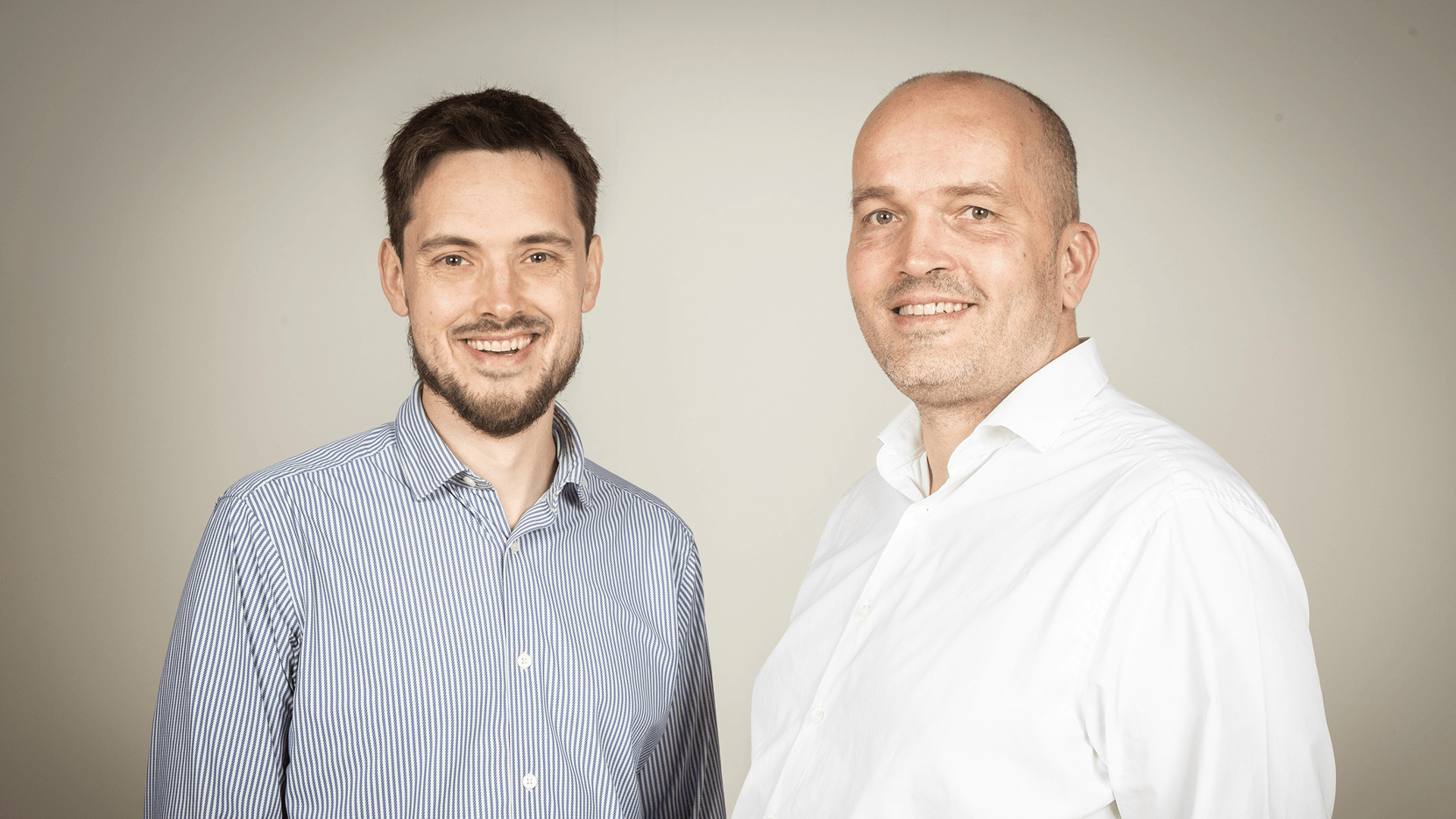
Founded in 2022 in the laboratories of
CentraleSupélec by Erwan Pannier and Patrick Peters, Spark Cleantech is a
deeptech company focused on decarbonising heavy industries such as glassmaking,
metallurgy, polymers, and batteries.
The company has developed a patented process based
on pulsed plasmolysis that replaces fossil-fuel combustion in high-temperature
industrial furnaces and materials production with an alternative that is fully
decarbonised, economically competitive, and requires minimal changes to
existing operations.
Spark Cleantech’s modules are installed between a
client’s existing gas network and their high-temperature industrial burners.
Using pulsed plasma, the technology removes carbon from the gas before
combustion, leaving hydrogen as a fully decarbonised energy source. The
extracted carbon is converted into a solid nanomaterial used in polymers and
battery production, replacing a petroleum-derived material with a significantly
higher carbon footprint.
This approach relies on proprietary pulsed
plasmolysis technology, initially invented at Stanford University, further
developed at CentraleSupélec, and industrialised by Spark Cleantech in France.
It reduces the energy required for separation while generating a high-value
carbon nanomaterial.
In practice, the process converts a hydrocarbon,
without combustion, into two decarbonised materials, hydrogen and solid carbon,
whose combined economic value is increased by a factor of four, while reducing
emissions by up to 85 per cent. Spark Cleantech’s technology is currently being
piloted with major customers in metallurgy, glassmaking, polymer production,
and battery manufacturing.
The new investment will support Spark Cleantech’s
next phase of growth, allowing the company to complete and operate its first
production module before rolling it out across customer sites.
It will also
fund the qualification of Spark Cleantech’s first commercial carbon grades, one
of the two outputs of its pulsed plasmolysis process. In addition, the team
will expand by around 20 new hires across commercial operations, engineering,
and R&D.