
Stockholm-based
Stilla has emerged from stealth with $5 million in pre-seed funding to develop
an intelligence layer designed to support collaboration between humans and AI
within product teams. The round was led by General Catalyst, with participation
from a group of angel investors.
As
organisations accelerate the adoption of AI across workflows, coordination has
become an increasing challenge. Information is often distributed across tools
and teams, while individual productivity continues to rise. Fragmented context,
time-intensive alignment processes, and the parallel use of multiple AI agents
can make it difficult for organisations to maintain a shared view of priorities
and progress.
Stilla
is designed to address these challenges by providing an infrastructure layer
for collaboration. Rather than operating as an individual AI assistant, the
platform connects core workplace tools (including Slack, Linear, GitHub, and
Notion) to maintain a continuously updated understanding of what teams are
working on, why decisions are made, and how work progresses. By distributing
relevant context across teams and AI systems, Stilla aims to support
coordinated execution as organisations scale.
The
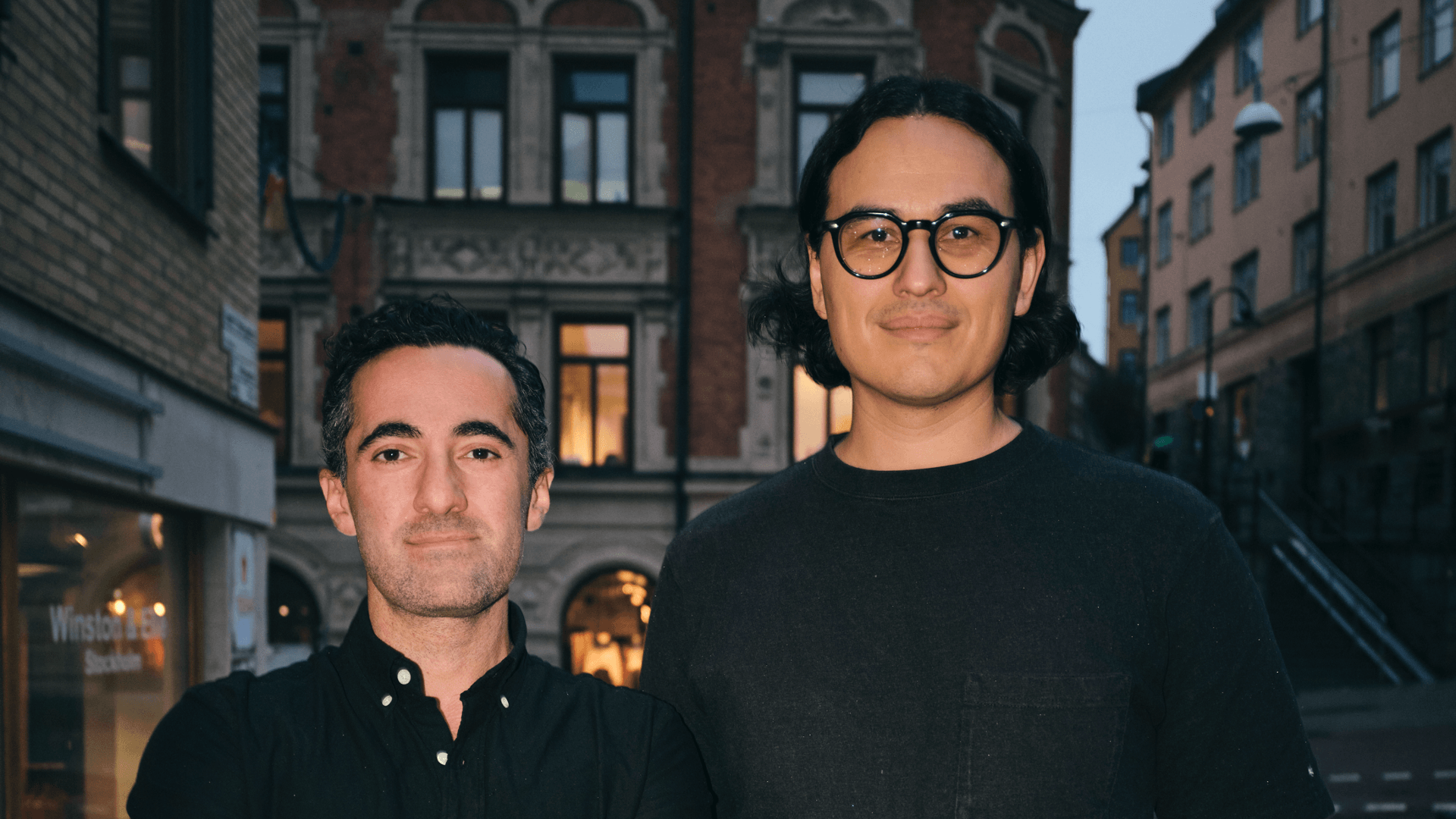
company was founded by Siavash Ghorbani and Kaj Drobin, who previously
contributed to the development of Shop and Shop Pay at Shopify. Commenting on
the shift toward organisations where both people and AI systems contribute to
decision-making, Ghorbani said:
Without real-time shared context, speed creates chaos.
Getting everyone aligned — humans and AI alike — is now the single biggest
unlock for companies.
Stilla
is already in use at companies including Spotify, Ramp, Lovable, and Legora.
Anton Osika, CEO of Lovable, described the platform as an early indication of
how work may evolve, noting that it captures context automatically and
translates it into coordinated action. Legora CEO Max Junestrand added that in
AI-driven environments, speed is essential, and said Stilla helps reduce
communication overhead by maintaining alignment across teams, likening it to an
AI-enabled chief of staff.
The company plans to use the capital to further build
its core infrastructure, enabling better coordination between human teams and
AI agents as organisations scale their use of AI. The funding will also support
continued integration with existing workplace systems and the expansion of the
platform’s capabilities based on early adoption by product teams.