
Cambridge-based biotech
startup Tolemy Bio has raised €1.4 million in pre-seed funding to advance its
AI-enabled technology for cell biology research and biopharma development. The
round was led by Norrsken Evolve, with participation from Big Sur Ventures, JME
Ventures, Masia, and a new UK-based stealth fund.
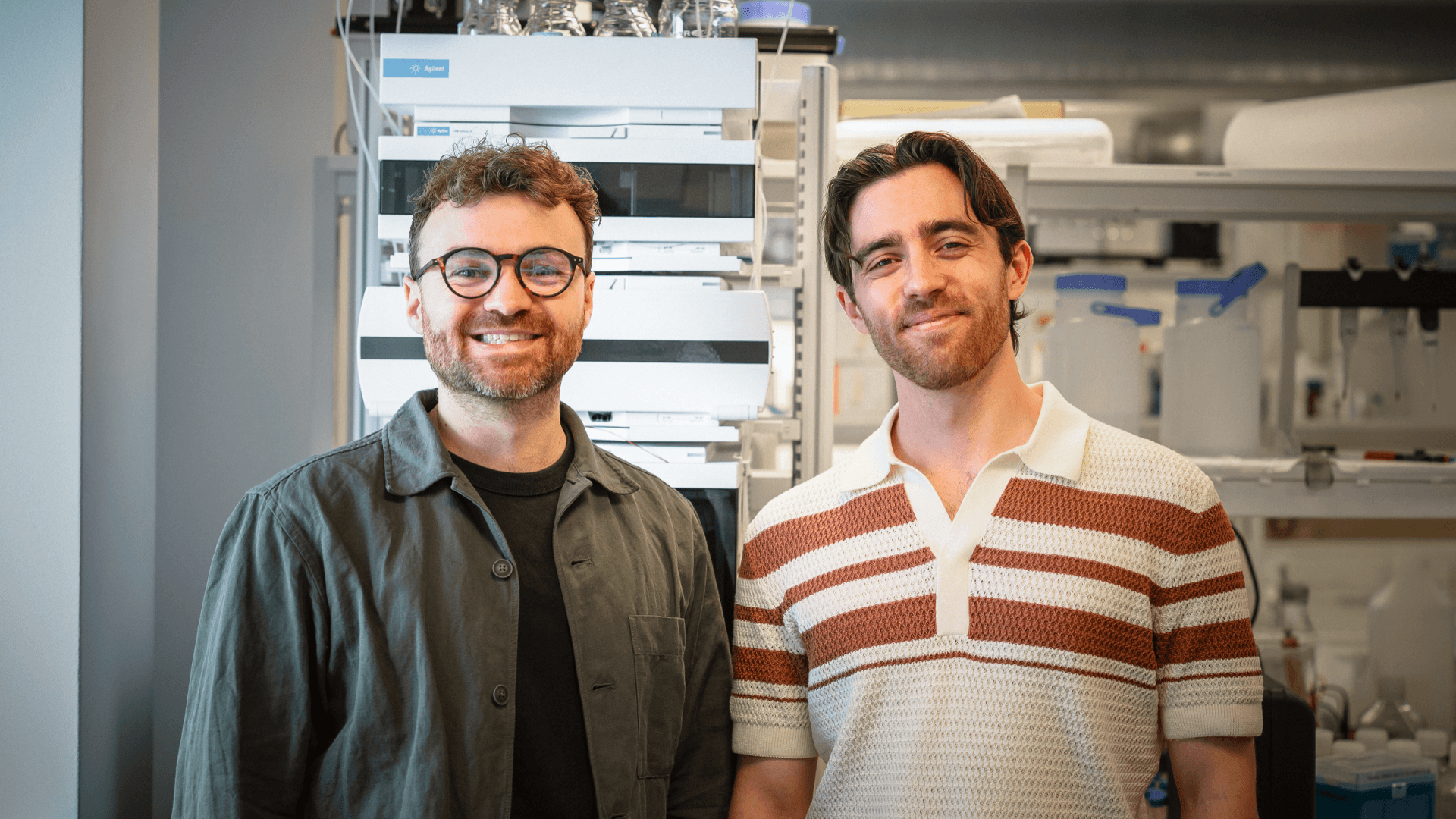
Founded by Alex Ward and
Caelan Anderson, Tolemy Bio is developing Orbit, a system designed to help
researchers better understand, interpret, and optimise living cells used in
modern therapies and drug development.
The company is focused on
a longstanding challenge within biopharma and cell biology: while living cells
are central to areas such as cell therapies and therapeutic proteins,
experimental workflows remain highly manual and fragmented.
Research data is often
spread across spreadsheets, lab equipment, notebooks, and disconnected systems,
limiting the ability of teams to effectively apply AI tools to drug development
and manufacturing processes.
Orbit is designed to bring
these fragmented workflows into a single AI-native environment. The system
connects existing laboratory tools and experimental data sources, while also
incorporating virtual cell models and AI research agents intended to help scientists
analyse cellular behaviour and guide experimental decision-making.
Alex Ward, co-founder and
CEO of Tolemy Bio, said the company was founded to address the difficulties
researchers face in interpreting and reproducing complex cell biology
experiments.
Our platform, Orbit, is
designed to connect experimental data with AI models,” said Ward. “Our goal is
to make complex cell biology easier to interpret, optimise, and apply to real
therapeutic development.
The newly raised funding
will be used to expand Tolemy Bio’s data generation, machine learning, and
engineering capabilities, continue development of Orbit, and support early
customer and partner deployments. While headquartered in Cambridge, the company
says much of its operational activity will continue from Barcelona.
Tolemy Bio’s long-term
goal is to build a virtual-cell platform that helps biopharma companies move
beyond trial-and-error experimentation towards more precise and data-driven
approaches to understanding and controlling living cells.