
York Research Chair and Professor Ali Sadeghi Naini, lead author on the study.
Image source: YorkUniversity
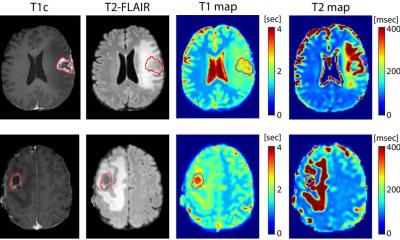
“The study shows, for the first time, that novel attention-guided AI methods coupled with advanced MRI can differentiate, with high accuracy, between tumour progression and radiation necrosis in patients with brain metastasis treated with stereotactic radiosurgery,” says York Research Chair Ali Sadeghi-Naini, senior author of the paper and associate professor of biomedical engineering and computer science. “Timely differentiation between tumour progression and radiation necrosis after radiotherapy in brain tumours is a crucial challenge in cancer centers, since these two conditions require quite different treatment approaches.”
The study was conducted in close collaboration with imaging scientists, neuro-oncologists and neuro-radiologists at Sunnybrook Health Sciences Centre using data acquired from more than 90 cancer patients whose original cancer had metastasized to the brain.
Sadeghi-Naini says the incidence of brain metastasis is rising as treatments improve and survival rates increase. Stereotactic radiosurgery (SRS), where a concentrated doses of radiation are applied to the cancer lesions only, is effective at controlling the tumours. In up to 30%of cases, SRS is not able to control the tumour and it continues to grow. Where it is successful, healthy brain tissue immediately surrounding the tumour may also die off, called brain radiation necrosis, and it can come with significant side effects.