
Our study provides compelling evidence that investments in effective cancer treatments can yield significant long-term societal benefits
N. Meltem Daysal
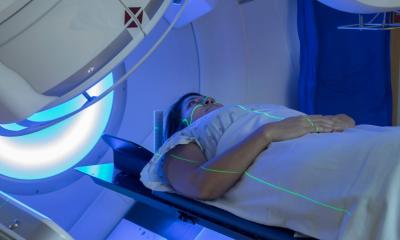
This change enables researchers to assess the effects of radiation therapy without confounding from other treatments. The researchers found that radiation therapy reduced the risk of dying within 10 years of diagnosis by approximately 35%.
In addition to improving survival rates, radiation therapy was found to have a number of positive effects on patients’ working lives. ‘Women who received radiation therapy were 37% more likely to be working 10 years after diagnosis compared to women who did not receive radiation therapy. And women who received radiation therapy had on average 45% higher income 10 years after diagnosis compared to women who did not receive radiation therapy,’ explains N. Meltem Daysal.
The researchers emphasize the broader implications of these findings for health policy and economic planning. ‘While the primary goal of cancer treatment is to save lives, our research underscores that medical interventions like radiation therapy can also generate substantial economic benefits – even in a country like Denmark, which has universal access to healthcare and a strong social safety net,’ says N. Meltem Daysal and elaborates: ‘With cancer treatment costs rising globally, these findings reinforce the need for policymakers to consider the economic advantages of medical interventions. Our study provides compelling evidence that investments in effective cancer treatments can yield significant long-term societal benefits,’ concludes N. Meltem Daysal.
Source: University of Copenhagen