
Hypertension Creates Hidden Energy Vulnerability in the Heart
Mechanistically, the team showed that chronic hypertension produces a latent energy fragility: it impairs the heart’s ability to adapt to metabolic demands, reduces energy flexibility, and creates a state of “limited reserve,” still compensated thanks to apparently normal mitochondrial function. When anthracyclines—known to directly damage mitochondria—are administered, this compensation collapses, precipitating functional deterioration of the heart. In a final phase, the study explored a possible preventive strategy using mavacamten, a selective myosin inhibitor used in hypertrophic cardiomyopathy. In in vitro experiments, mavacamten prevented anthracycline-induced heart damage under pressure overload conditions.
“If these results are confirmed in clinical studies, we could be looking at the first therapy specifically aimed at preventing this serious complication in individuals with high blood pressure,” says Dr. Ibáñez.
Researchers Suggest Potential Preventive Therapy
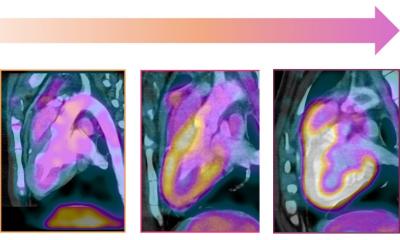
The study has direct implications for cardio-oncology and preventive cardiology. It was carried out using highly translational techniques such as advanced magnetic resonance imaging, MR spectroscopy, PET, and molecular analyses, enabling rapid transfer to the clinical setting. Dr. Valentín Fuster underscores the broader clinical significance of the finding: “This study represents a fundamental advance: identifying vulnerability before clinical damage is the type of anticipatory medicine we need to pursue. Personalized prevention based on mechanisms is the future of modern cardiology.”
The study was funded by the European Commission (ERC), the Spanish Ministry of Science and Innovation, the “la Caixa” Foundation, and the Community of Madrid through the Madrid Network for Nanomedicine in Molecular Imaging.
Source: Centro Nacional de Investigaciones Cardiovasculares Carlos III