
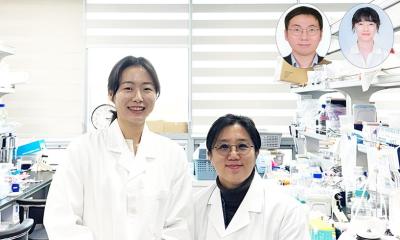

Multi-omics approaches in female patients with atypical depression with psychotic symptoms
The research team simultaneously examined genetic changes in immune cells in the blood and changes in nervous-system-related proteins. The results confirmed a breakdown in the balance of immune-neural interaction in patients with depression.
MDD, especially in young women, often presents with atypical symptoms (hypersomnia, overeating, mood reactivity, etc.), which increases the risk of a later diagnosis of bipolar disorder. Furthermore, about 40% of patients are classified as treatment-resistant depression, showing no response to various antidepressants. Consequently, there has been a continuous call for the development of new therapeutic strategies and the discovery of biomarkers based on immunity and metabolism, moving beyond the traditional drug-centric approach.
The research team presented the world’s first precision medicine approach by integrating plasma proteomics, leukocyte single-cell transcriptome analysis, and analysis of brain organoids created from patient-derived induced pluripotent stem cells (iPSCs).
The results showed that patients with atypical depression exhibited high levels of stress, anxiety, and depression. Furthermore, proteins crucial for inter-neuronal signaling (DCLK3 and CALY) were significantly elevated compared to normal levels, and Complement Protein C5, which strongly enhances the body’s immune response, was also increased. This indicates that both ‘brain function’ and ‘immune function’ are excessively activated and out of balance within the body.
This finding confirms a clue that depression is not merely a mood issue but is connected to biological changes occurring throughout the entire body. Upon examining the immune cells of depression patients, genetic changes were found that make inflammatory responses in the body occur more easily and strongly than usual. This implies that the entire bodily immune system is in a state of excessive activation, and this immune/inflammatory abnormality may influence the development of depression.